
How to put together the perfect farmers market basket without meal planning
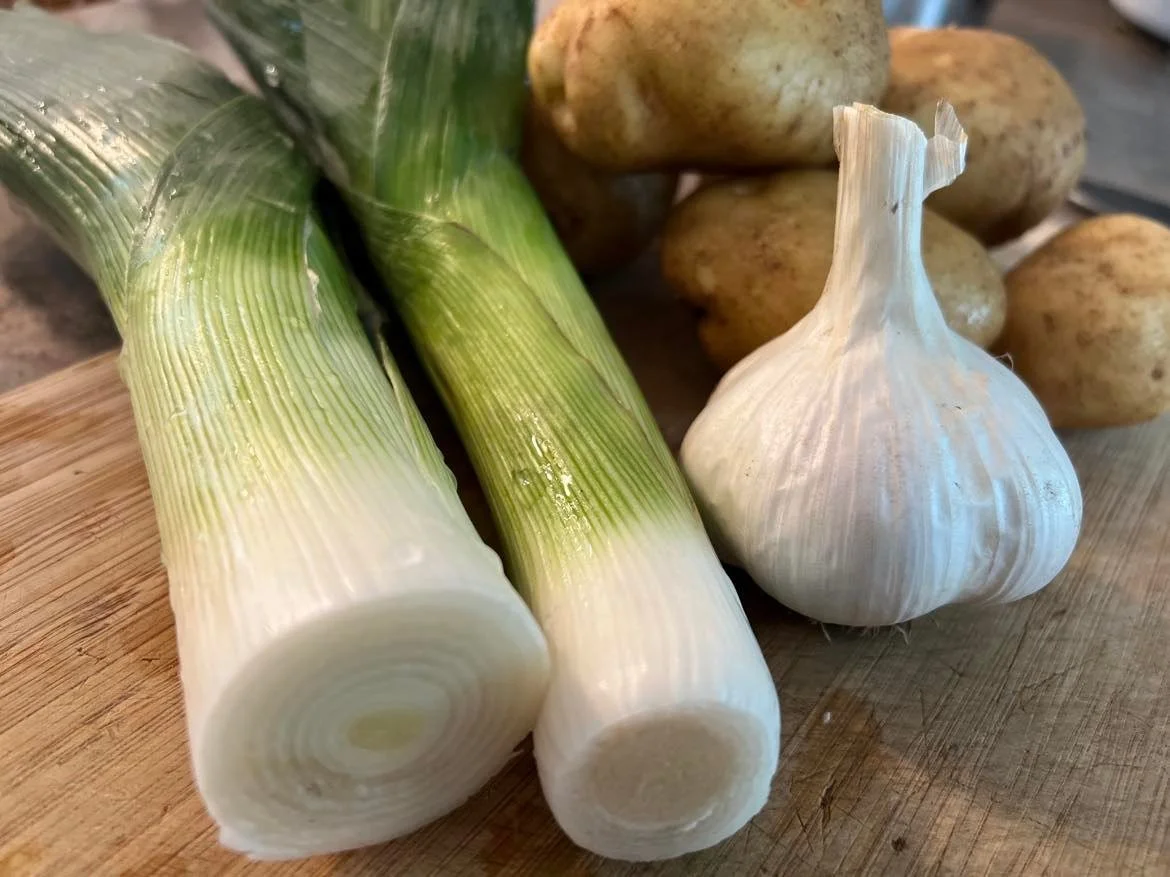
Next time you find yourself at the market without a plan, try this flexible framework.
This loose formula will help you build a diverse, well-rounded basket of market veggies that feels adventurous while still being full of things you will actually use and swap into your favorite recipes.
We learned how from years of curating bundles of produce for customers that include plenty of the basics, versatile veggies to use in familiar recipes, and some new ones that leave room for adventure.
Short on time? Here’s the no-plan farmers market formula:
1–2 alliums
1–2 root veggies
1–2 hearty brassicas
1 leafy green
1–2 seasonal staples
0-1 adventurous picks
If you want the reasoning behind each category, keep reading.
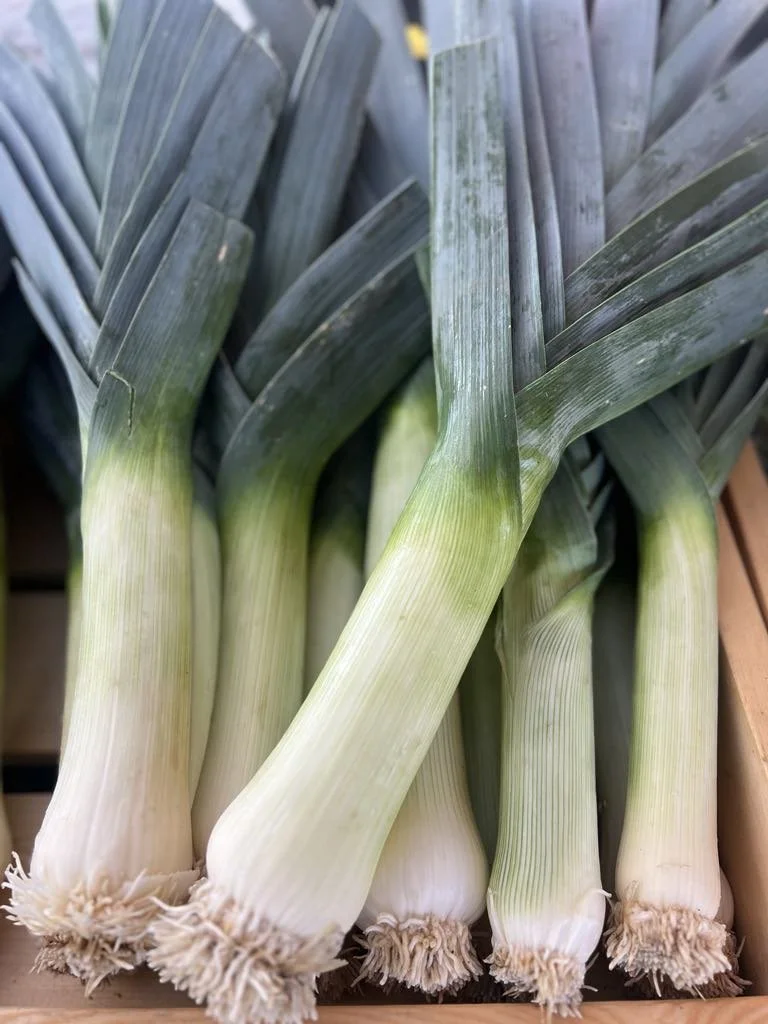
Alliums (the onion family)
A farmers market run isn’t complete without 1–2 alliums, or members of the onion family. These vary by season and form the base of almost every savory meal.
Depending on the time of year, look for the following:
Spring: Green onions (aka scallions. Yes, they’re the same!)
Summer: Garlic scapes in June, fresh garlic in July, and fresh sweet onions starting in July
Fall and winter: Garlic, onions, and leeks
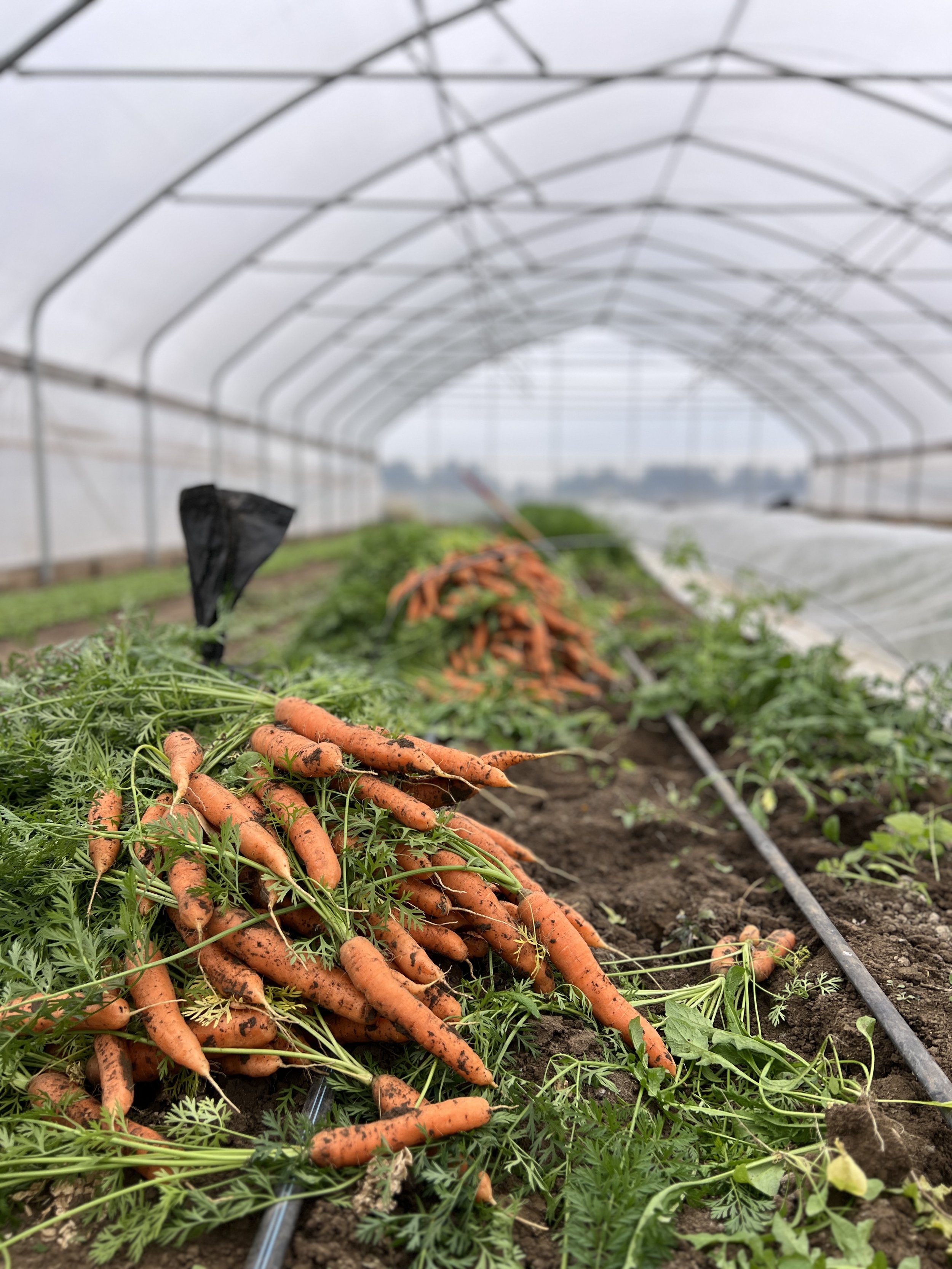
Root veggies
Add 1–2 different root vegetables to your basket.
Root veggies add crunch to all kinds of meals and can easily be swapped for one another in stir fries, salads, and roasted dishes. We’re talking carrots, beets, turnips, radishes, and more.
They also last a long time, which makes them especially forgiving if your week does not go exactly as planned. Plus, many fit well into stir fry. Our pantry-friendly homemade stir fry sauce recipe makes it easy to whip up something delicious on short notice (subs encouraged!)
Pro tip: Always remove the leafy green tops before storing. Most leaves on root veggies are editble (carrots, beets, turnips and radishes all saute up nicely and make good pesto), but you can compost them too — we don’t judge! At the farmers market, you can even ask us to compost them for you.
After the tops are removed, store the roots in airtight container or bag in the fridge. They can easily last weeks or even months this way!
Learn how to store vegetables so they stay fresh longer and reduce food waste in our free downloadable vegetable storage guide.
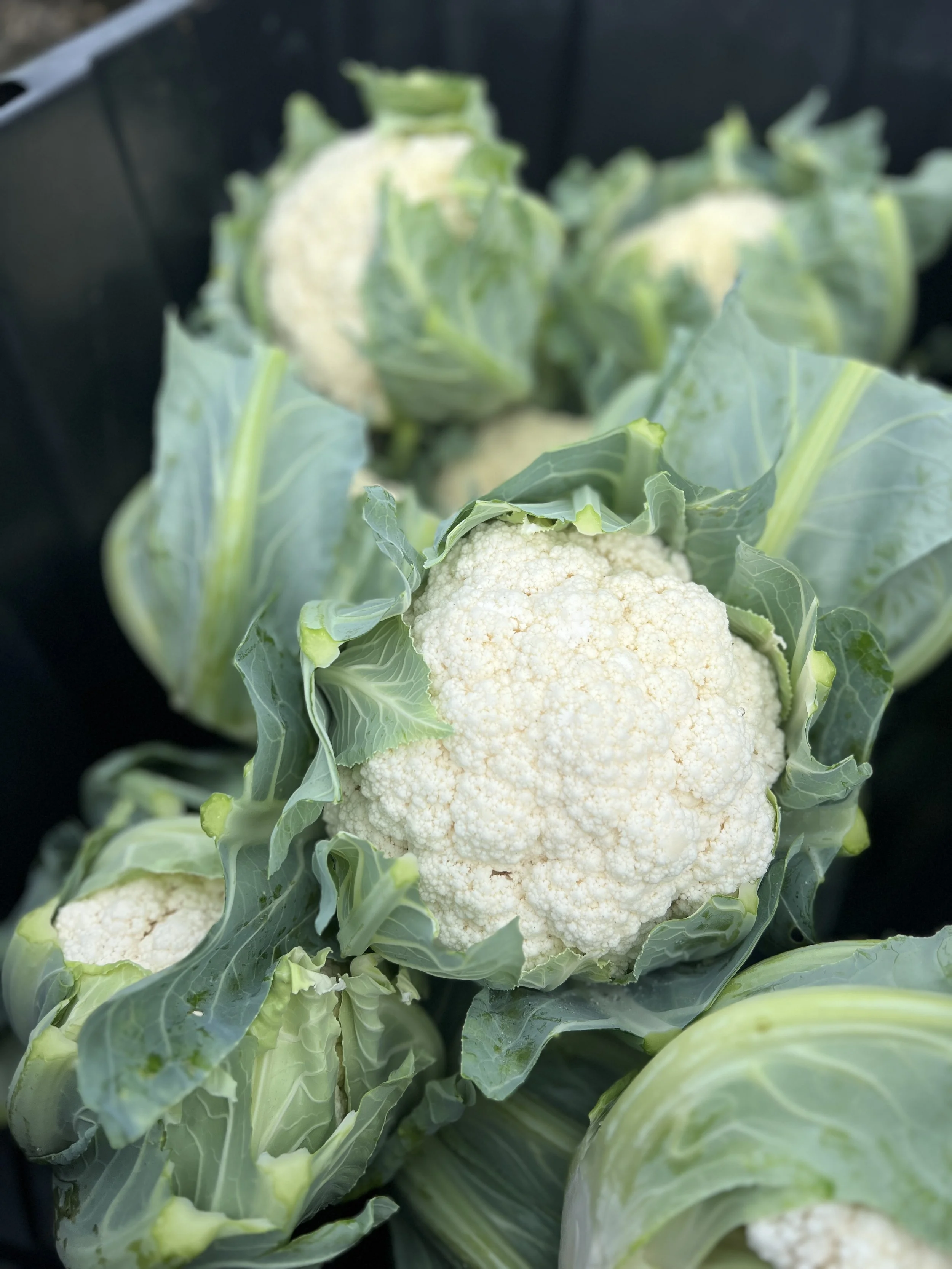
Brassicas (the cabbage family)
Grab 1–2 brassica family crops to bring substance and bulk to your basket.
This is one of the most commonly grown crop families because these vegetables are versatile, satisfying, and built into many of the staple recipes we rely on.
They also tend to be dense and a good value at the market, providing some of the densest, most filling yet healthy foods for your money.
You might see:
Spring: Kohlrabi, broccoli, cauliflower, kale
Summer: Kohlrabi, cabbage, broccolini
Fall and winter: Kohlrabi, broccoli, cauliflower, kale, cabbage, brussels sprouts
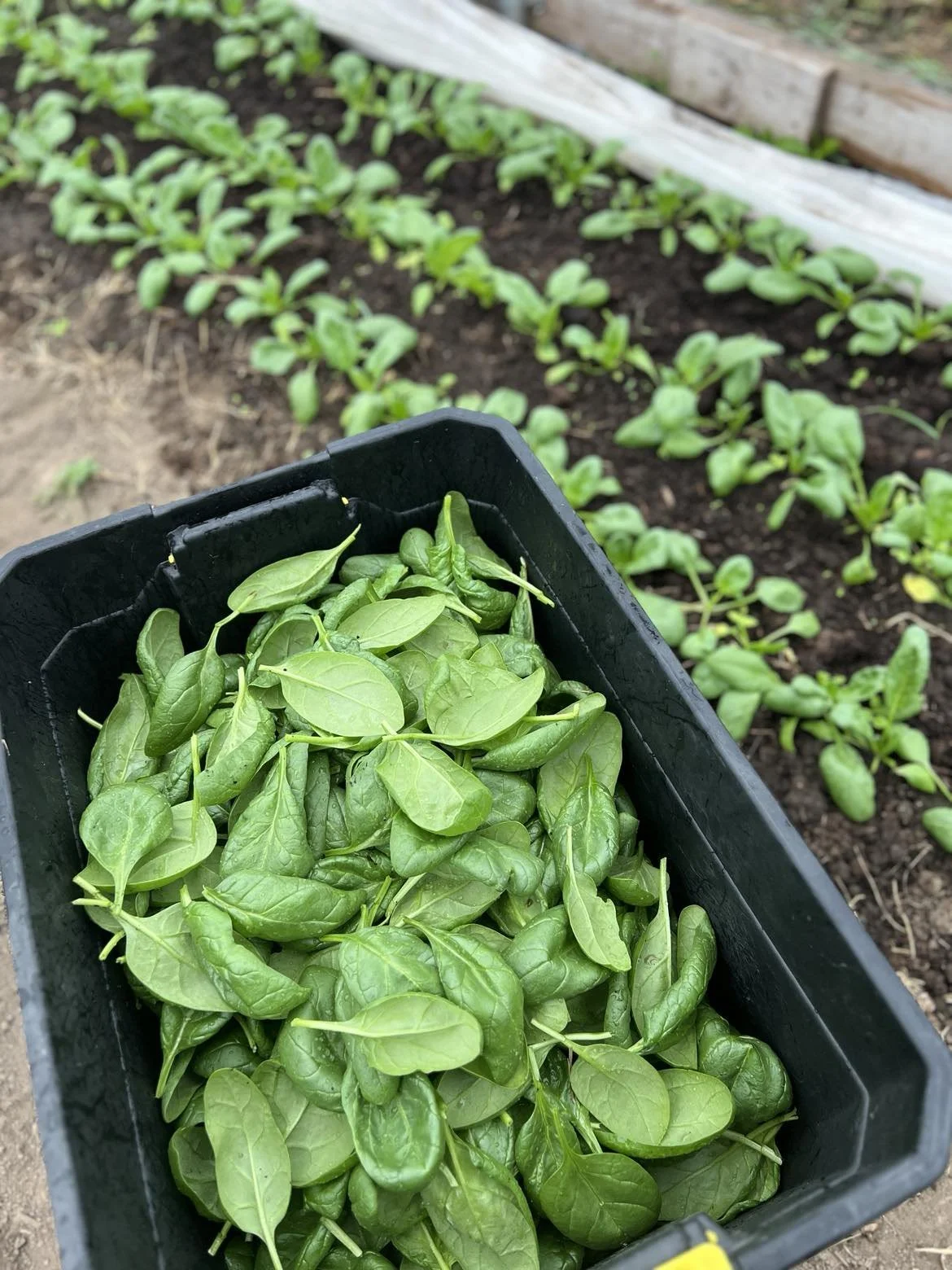
A leafy green
At least 1 leafy green helps everything feel complete.
Salad mix is an easy option that works well for packed lunches or quick meals at home.
Our salad mix lasts about two weeks, which gives you a little more breathing room than you might be used to from the grocery store.
Spinach, arugula, and kale are also great choices. They are great on their own or mixed together with salad mix (ours contains just lettuce).
An advantage to spinach, arugula, and baby kale, though, is that they can easily be cooked down into other dishes when they need to be used up quickly. Try this versatile One-pan salmon with lemon orzo and seasonal greens recipe.
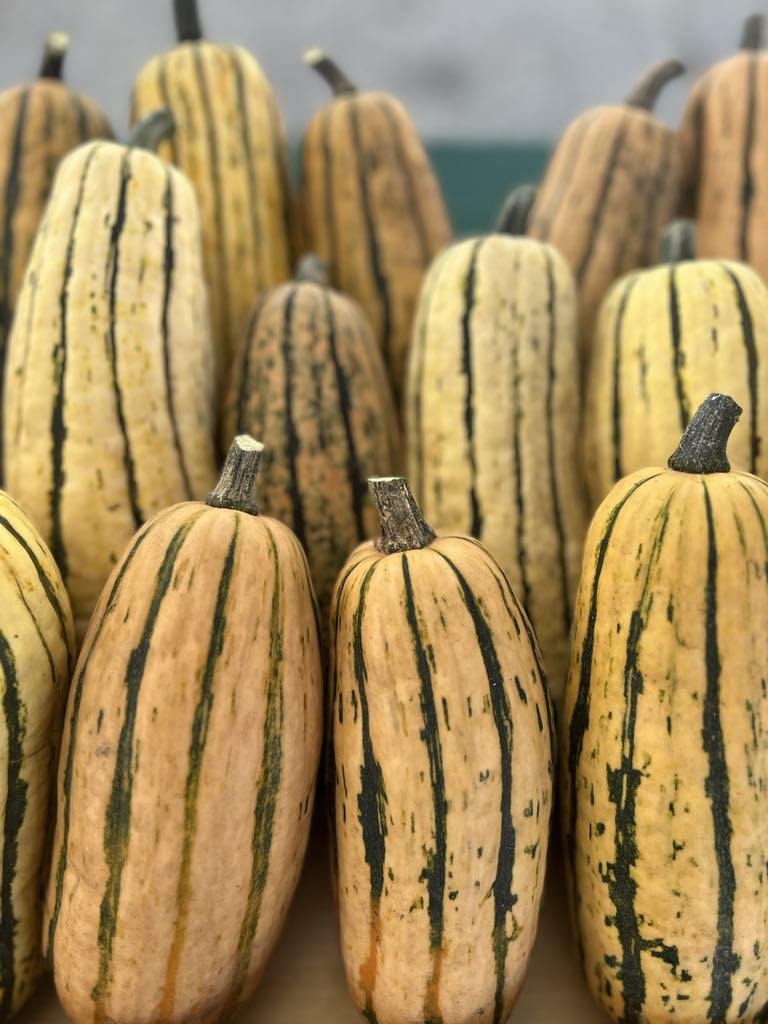
A seasonal staple
Every season features a few can’t-miss veggies that are absolutely worth tossing in your basket while they’re in season. Choose 1-2 of these staples per market trip.
Spring: Rhubarb, chives, peas shoots
Summer: Snap peas, tomatoes, green beans, cucumbers, zucchini
Fall and winter: Peppers, potatoes, sweet potatoes, celery, squash
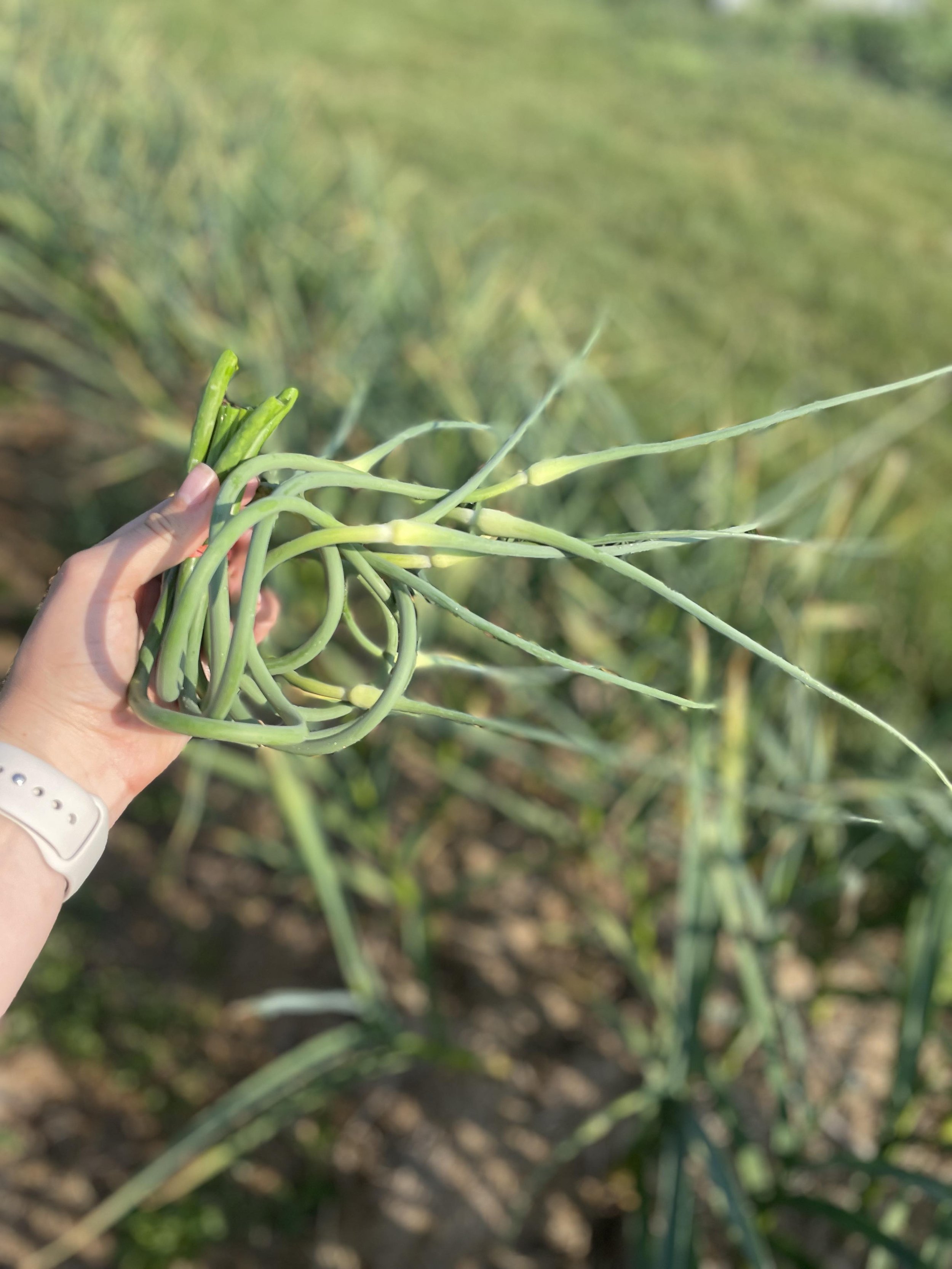
An adventurous pick
Finally, if you have a little extra time to cook this week, choose one adventurous ingredient that you have not used before but have been meaning to try.
The key is to keep it to pace yourself. It is not always easy to find a new way to use tomatillos, garlic scapes, and shishito peppers all in the same week.
