
Flash freezing: The easiest way to preserve fresh vegetables
The first time I heard the term flash freezing, I was pretty sure it wasn’t for me.
It sounded hard. Technological. Maybe something involving special equipment, or at least a kitchen bigger than my apartment had at the time.
In a professional kitchen, flash freezing might mean freezing something very quickly with a blast chiller.
But the at-home version just requires a freezer and a baking sheet.
Flash freezing is now my go-to way to preserve food quickly in any quantity when there’s no time for canning, fermenting, big-batch projects, or all-day kitchen marathons.
From a head of broccoli to a single bell pepper at risk of getting lost at the bottom of the crisper drawer during peak seasonal abundance, it’s key to reducing food waste, making vegetables convenient, and eating local all year long.
What flash freezing actually is
Flash freezing is simply the act of freezing vegetables in a single layer first, before transferring them to a bag or container.
Yup, that’s it.
By freezing pieces individually, rather than tossing everything straight into a bag, you keep chopped veggies from turning into one big frozen lump. You can freeze one pepper at a time or ten. Later, when you need a handful, you can grab exactly what you want.
It’s low-waste and low-pressure.
Unlike some big-batch preserving methods, flash freezing doesn’t require you to commit to preserving everything at once.
Don’t get me wrong, those methods can be fun, just not for a weeknight.
Flash freezing works whenever you have a few extra minutes and whenever vegetables start piling up faster than home-cooked meals are actually happening.
To this day, it’s my number one weeknight-friendly preserving tool. It’s a low-time-commitment way to avoid food waste and enjoy out-of-season abundance all winter.
(Hello, zucchini. Meet Thanksgiving dinner.)
What flash freezing works best for
Flash freezing works especially well with vegetables you’d normally toss into a stir fry, skillet, soup, or sheet-pan dinner.
It’s not the best method for absolutely everything, but it’s pretty close.
The real key is this:
Flash freeze the vegetables your family will actually use.
Not the ones you think you should preserve. The ones that fit into multiple meals on your weekly rotation and that you will happily pull from the freezer again and again on a tired Tuesday.
Here’s what we like to flash freeze at our house:
Sweet peppers
Zucchini
Cauliflower
Broccoli
Edamame
Green beans (blanch first)
Celery
Jalapeño peppers (I’ll even toss these in whole)
Shishito peppers (whole)
Green onions
These are the kinds of vegetables that have a limited season but a wide range of uses stir fries, taco night, and soups. That’s exactly why flash freezing works so well for them.
Vegetables we usually don’t flash freeze (but you totally can)
Some vegetables store beautifully well into late fall and winter without freezing, so we usually skip flash freezing these:
Carrots
Beets
Onions
Garlic
Winter squash
That said, if you’re short on storage space, your root cellar is really just a fridge drawer, or you know you won’t get to them in time, you can absolutely flash freeze these too.
There are no hard rules here.
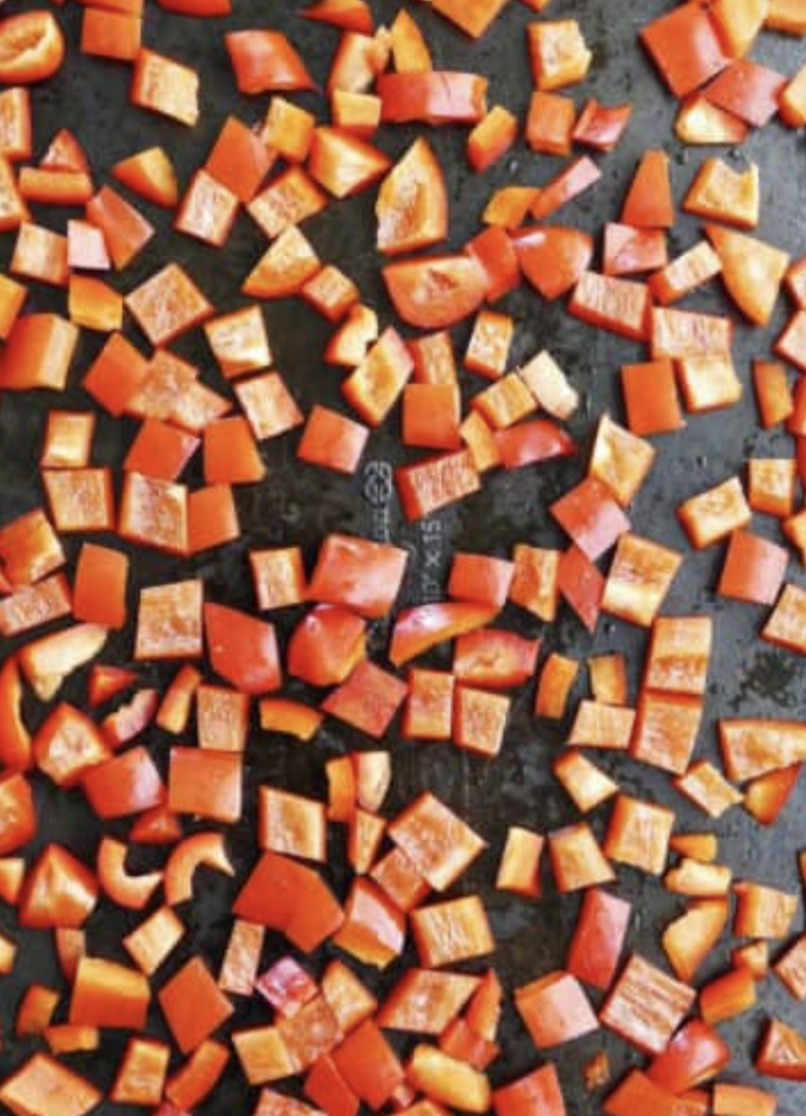
How to flash freeze vegetables
This is the whole process you can repeat with all kinds of produce.
1. Wash and prep your vegetables.
This part matters. Once veggies are frozen, you won’t have a chance to wash them later. Chop or slice them into pieces that make sense for future you. (i.e. dicing peppers vs. strips for fajitas)
2. Lay them out on a tray.
Use a baking sheet or tray lined with parchment paper or a silicone mat. Spread the vegetables into a single layer so the pieces aren’t touching.
3. Freeze until solid.
This usually takes a couple of hours, depending on your freezer.
4. Transfer to a bag or container.
Once frozen, move the vegetables into a freezer bag or container. We recommend labeling, even if you think you’ll remember what it is later.
That’s it.
Want more low-lift ways to preserve your produce?
If you want to go deeper, like learning how to blanch green beans or how to freeze tomatoes whole, we walk through all of that in our free No-Canning Guide to Preserving Your Produce.
